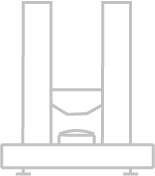
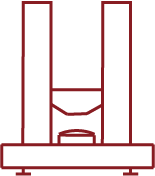
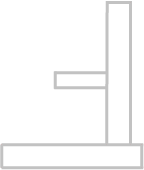
National Electronic Systems (NES) Implements CME KRD30-03 Centrifugal Constant Acceleration Test Machine
A High-Reliability Constant Acceleration Testing Solution for Electronic and Electromechanical Products
Customer: National Electronic Systems (NES)
Industry: Engineering Consulting, Electronics, Mechanical and Control Systems
Application: Constant Acceleration Environmental Testing
Equipment: KRD30-03 Constant Acceleration Tester (Box Type)
Challenge
As electronic, mechanical, and control system technologies continue to advance, products are increasingly required to maintain reliable performance under complex and demanding mechanical environments.
In addition to conventional vibration and shock environments, electronic components, small equipment, and other electronic products may be exposed to steady-state constant acceleration environments generated by vehicles, aircraft, rotating machinery, and other operating conditions.
Traditional shock and vibration testing alone may not reveal all mechanical structural defects. Some products may perform normally during conventional testing but develop potential problems in internal structures, packaging, leads, and other mechanical connections when subjected to sustained constant acceleration.
Professional constant acceleration testing is therefore required to:
Evaluate structural integrity under constant acceleration environments;
Identify mechanical defects that may not be detected during conventional shock and vibration testing;
Verify the mechanical strength of packaging, internal metallization, and leads;
Evaluate structural connections and adhesion capabilities of components such as chips and covers;
Provide reliable data for product reliability design and engineering validation.
For National Electronic Systems (NES), a company focused on technical research, modeling, simulation, and engineering consulting in electronics, mechanical, and control systems, establishing reliable constant acceleration testing capability further strengthens its mechanical environmental validation capabilities.
Solution
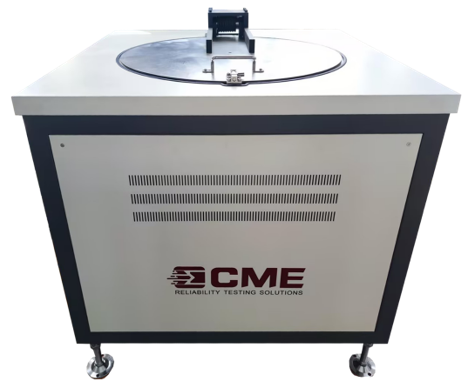
To meet the requirements for constant acceleration testing of electronic and electromechanical products, CME provided National Electronic Systems (NES) with the KRD30-03 Centrifugal Constant Acceleration Tester.
The KRD30-03 generates centrifugal constant acceleration through controlled high-speed rotation.
The test specimen is installed at a defined radius from the rotating spindle. When the working turntable rotates at a constant speed, the specimen is subjected to stable centrifugal constant acceleration. The required acceleration can be achieved by adjusting the installation radius and turntable rotational speed.
The system consists of a centrifugal working chamber, turntable assembly, transmission system, servo measurement and control system, and door safety control system. The working turntable is manufactured from forged super-hard aluminum alloy to provide a stable mounting platform for test fixtures.
Solution Advantages
Up to 500g Constant Acceleration Testing
The KRD30-03 provides an acceleration setting range of 1–500g, with acceleration accuracy of ≤3%, enabling high-level constant acceleration testing for electronic components and small equipment.
Six-Position Test Configuration
The system provides six test positions, with a rated load of 3kg per position, allowing multiple specimens to be tested simultaneously and improving testing efficiency.
Fully Closed-Loop Digital Automatic Control
The KRD30-03 uses fully closed-loop digital network automatic control plus manual control and is equipped with a high-precision photoelectric encoder for real-time rotational speed measurement.
The speed feedback system controls and adjusts the turntable rotational speed to maintain stable constant acceleration conditions throughout the test.
Precise Constant Acceleration Control
The constant acceleration value is directly related to the specimen installation radius and turntable rotational speed.
By adjusting the installation radius and rotational speed, different target acceleration levels can be achieved for different products and test conditions.
Testing Under Powered Conditions
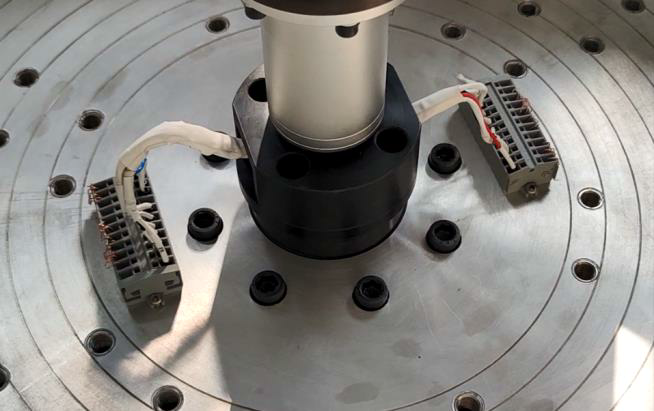
The system is equipped with slip rings to provide electrical power to specimens while they are rotating, enabling constant acceleration testing under powered conditions.
The configuration includes:
This allows products to be evaluated under constant acceleration while operating in a powered state.
Multi-Directional Testing Capability
By changing the installation direction of the specimen on the turntable, constant acceleration testing can be performed in different directions.
The six possible directions are forward, backward, up, down, left, and right, depending on the applicable product requirements.
Comprehensive Data Acquisition and Analysis
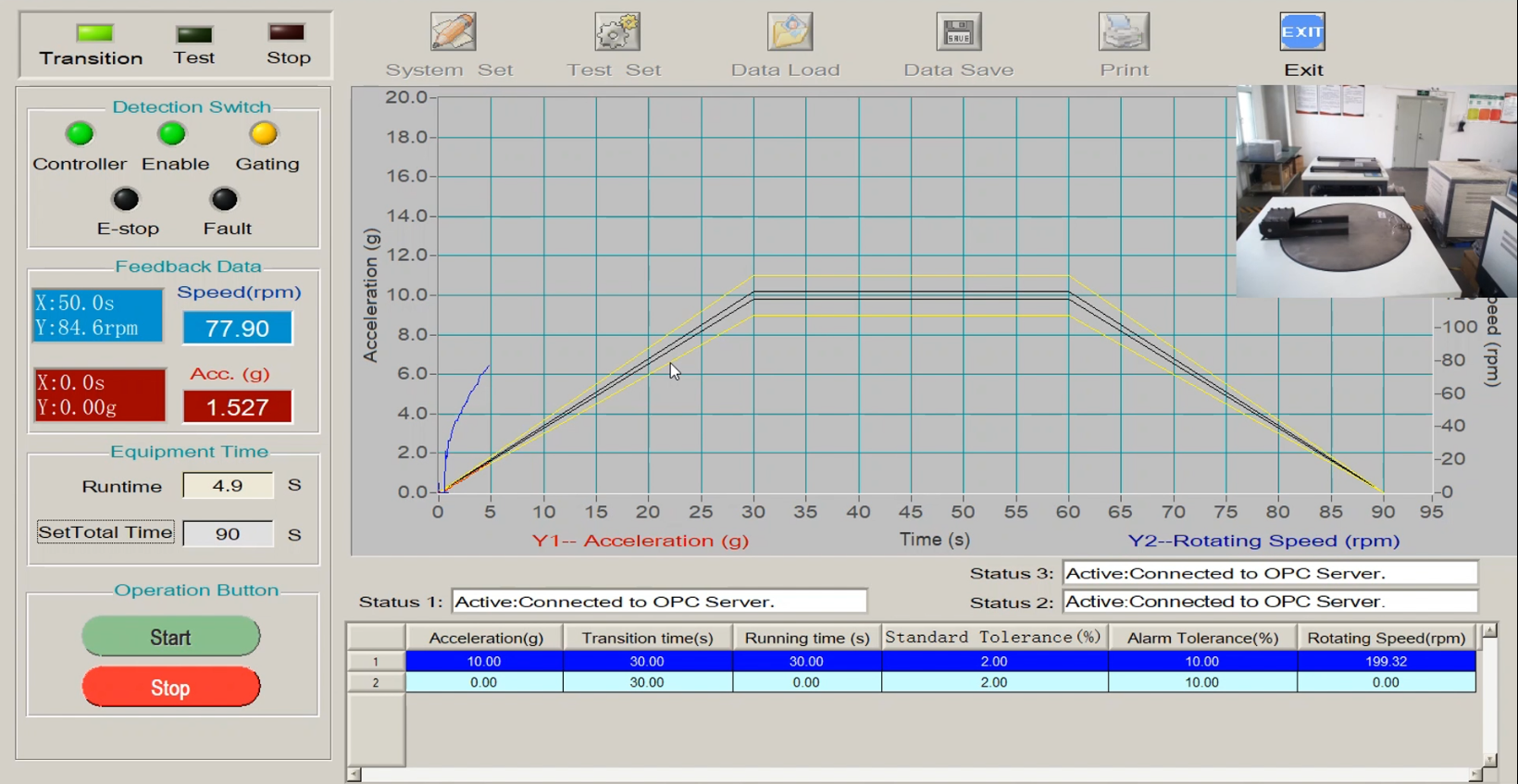
The control software can display:
The system also supports test data storage, curve saving, and test report generation and printing.
Constant Acceleration Testing Capability
Key technical specifications of the KRD30-03:
Acceleration Range: 1–500g
Acceleration Accuracy: ≤3%
Number of Test Positions: 6
Load per Position: 3kg
Nominal Installation Radius: 200mm
Maximum Specimen Height: 200mm
Equipment Dimensions: 1100mm × 1100mm × 1190mm
Equipment Weight: 725kg
Control Mode: Fully closed-loop digital network automatic control + manual control
Speed Measurement: High-precision photoelectric encoder
Ex-Factory Test Verification
CME performed a complete ex-factory test on the KRD30-03.
The equipment was tested across the specified 1–500g acceleration range, with an acceleration accuracy requirement of ≤3%. The results met the specified requirements.
The actual test points included:
1g
3g
5g
10g
20g
50g
100g
200g
500g
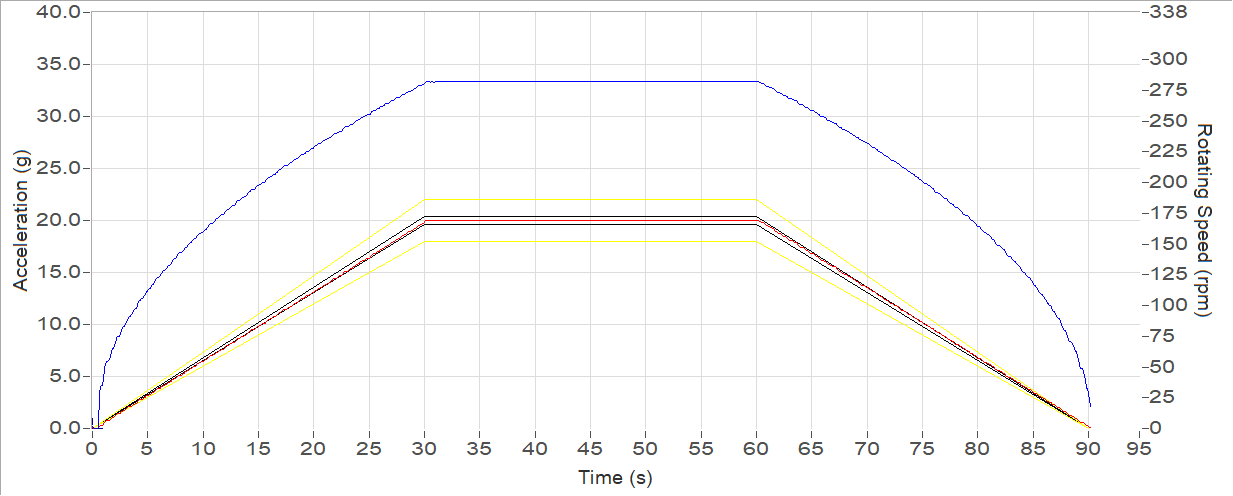
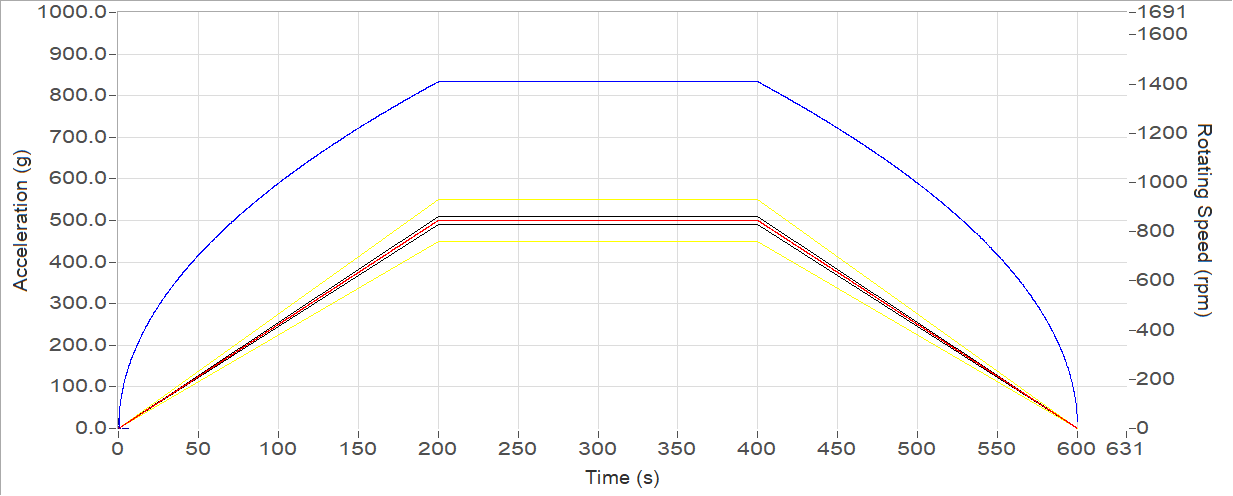
Rotational Speed Stability
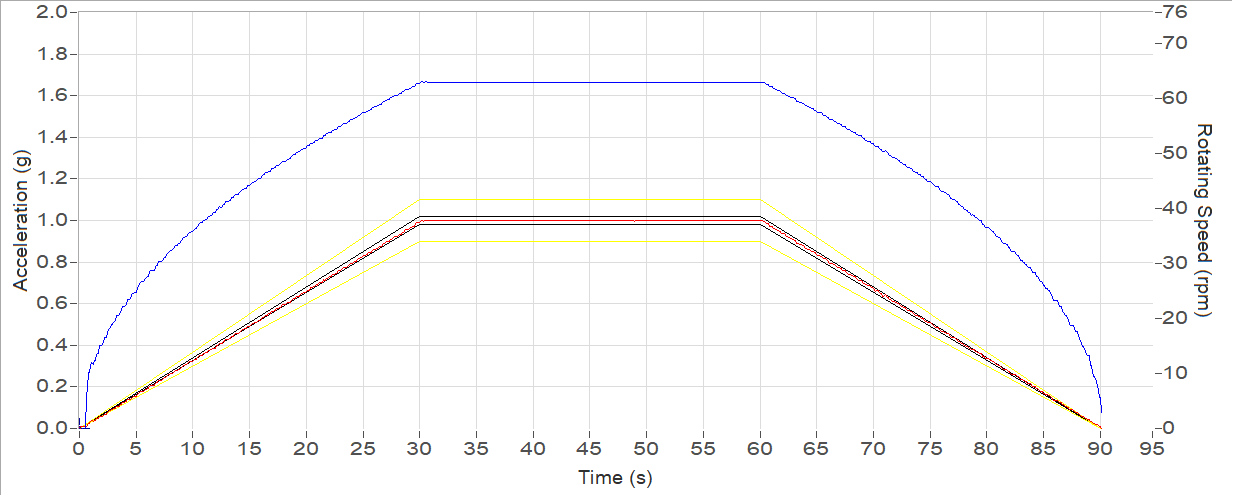
The ex-factory test also verified the rotational speed stability of the system, with the test data meeting the specified requirements.
Results
By implementing the CME KRD30-03 Centrifugal Constant Acceleration Tester, National Electronic Systems (NES) established professional constant acceleration environmental testing capability.
High-Level Constant Acceleration Testing
With testing capability up to 500g, the system provides a high-level mechanical environmental validation platform for electronic components, small equipment, and other products.
Enhanced Structural Reliability Validation
Constant acceleration testing can help identify structural and mechanical defects that may not be detected through conventional shock and vibration testing, providing a more comprehensive approach to product reliability validation.
Powered-State Product Validation
The integrated slip-ring system enables power to be supplied to rotating specimens, allowing products to be evaluated under constant acceleration while powered.
Improved Testing Efficiency
The six-position configuration allows multiple specimens to be tested simultaneously, helping improve laboratory testing efficiency.
Stable and Reliable Test Data
Fully closed-loop digital control, high-precision photoelectric speed measurement, and integrated data acquisition software work together to maintain stable test conditions and support test data storage and report generation.
Supporting Aerospace, Vehicle, and Rotating Equipment Validation
Constant acceleration testing can be used to evaluate the mechanical adaptability of products under operating environments involving vehicles, aircraft, rotating machinery, and other applications.
By adopting the CME KRD30-03 Centrifugal Constant Acceleration Tester, National Electronic Systems (NES) established constant acceleration testing capability from 1g to 500g, providing a reliable testing platform for mechanical environmental validation of products related to electronics, mechanical systems, and control systems, as well as for product development and structural strength evaluation.